
If a malicious actor orchestrates a data breach and compromises a standard corporate alphanumeric password database, the remediation protocol is straightforward. Administrators flag the network, force a global security reset, and issue a mandatory password rotation. Within minutes, the stolen credentials lose all transactional value.
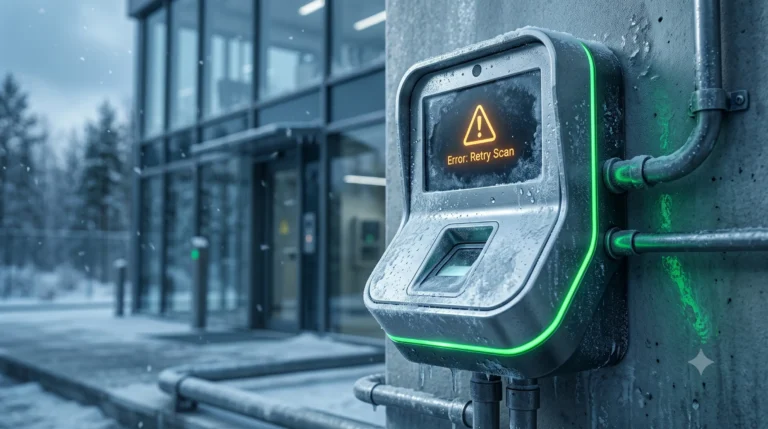
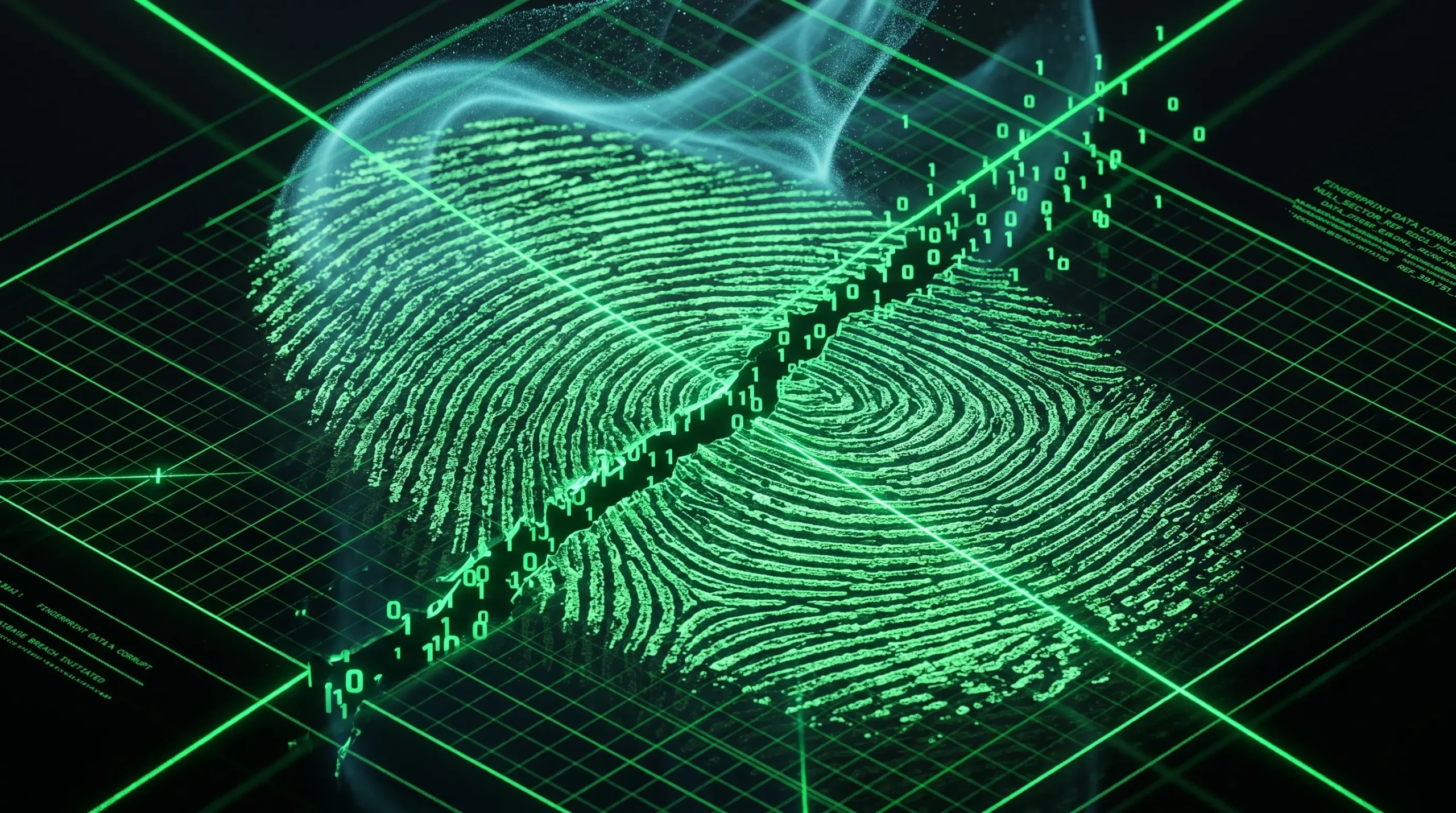
But when an enterprise relies on standard single-modality biometric databases—such as flat images or coordinate vectors of user fingerprints and facial geometry—a breach becomes a permanent, lifelong liability. You can change a password, but you cannot change your biological signatures.
1. The Lifetime Flaw of Exposed Biological Keys
Traditional identity databases store biometric information as static templates. When these silos are compromised, the structural damage to corporate and personal security is irreversible:
- Zero Recourse: Once a biometric marker is extracted, copied, and leaked into a malicious ecosystem, that credential is permanently exposed. The affected user has no method to alter or clear their biological marker.
- Lifetime Replay Attacks: Bad actors can retain this captured spatial data indefinitely, using it years down the road to construct physical or digital replicas designed to spoof single-modality authentication hardware across entirely different industries.
2. The Heavy Shift in Canadian Regulatory Compliance
In Canada’s changing digital landscape, the financial and legal fallout of identity exposure is skyrocketing. Incidents like major revenue agency breaches have already illustrated the severe dangers of relying on single-modality systems to safeguard sensitive personal information.
Under data privacy laws such as PIPEDA, organizations face massive regulatory scrutiny and legal liabilities if they fail to adequately protect access infrastructure. Storing exposed, replicable surface biometric templates creates a severe data footprint that modern compliance frameworks are actively penalizing.
3. Delinking Identity from Static Database Exploitation
The core solution requires an architectural shift in how identity is verified. Security frameworks must stop storing easily captured, unchangeable surface templates.
Next-generation identity systems protect organizations by transitioning completely to zero-touch multi-modality platforms. By fusing deep biological signals—like electrocardiography (ECG) heart electrical activity—with real-time vocal analytics, identity is validated dynamically through live presence verification rather than a static, flat file. If data isn’t locked into an immutable surface template, it cannot be mined, lifted, or replayed—rendering data breaches obsolete.